Finance Platform Modernisation

Finance Platform Modernisation: redesigned financial platform interface

Details

Role: Lead UX Designer (Consulting Engagement)
Scope: UX Architecture, Design Systems, Developer Enablement

Engagement Context

As Lead UX Architect, I led design system governance, developer enablement, and UX advisory for a multi-phase modernization of a legacy banking platform used daily by staff at credit unions across the country. The client is a financial services cooperative that provides shared infrastructure and services to credit unions nationwide. The platform supported complex, operationally critical workflows for multiple user types, and had accumulated years of inconsistent interface patterns, undocumented decisions, and documentation that had been handed from team to team with no single source of truth.

I inherited the platform’s first design pass and style guide from a contract designer I’d been overseeing, then stepped into the lead design role and took the system further. From there, my work combined direct design execution with the process work needed to make that design hold up long term: standardizing the design system, building a formal handoff model for engineering, and staying on through implementation and testing to manage the backlog and advise on UX decisions as they came up.
Screen-level design and the transition backlog

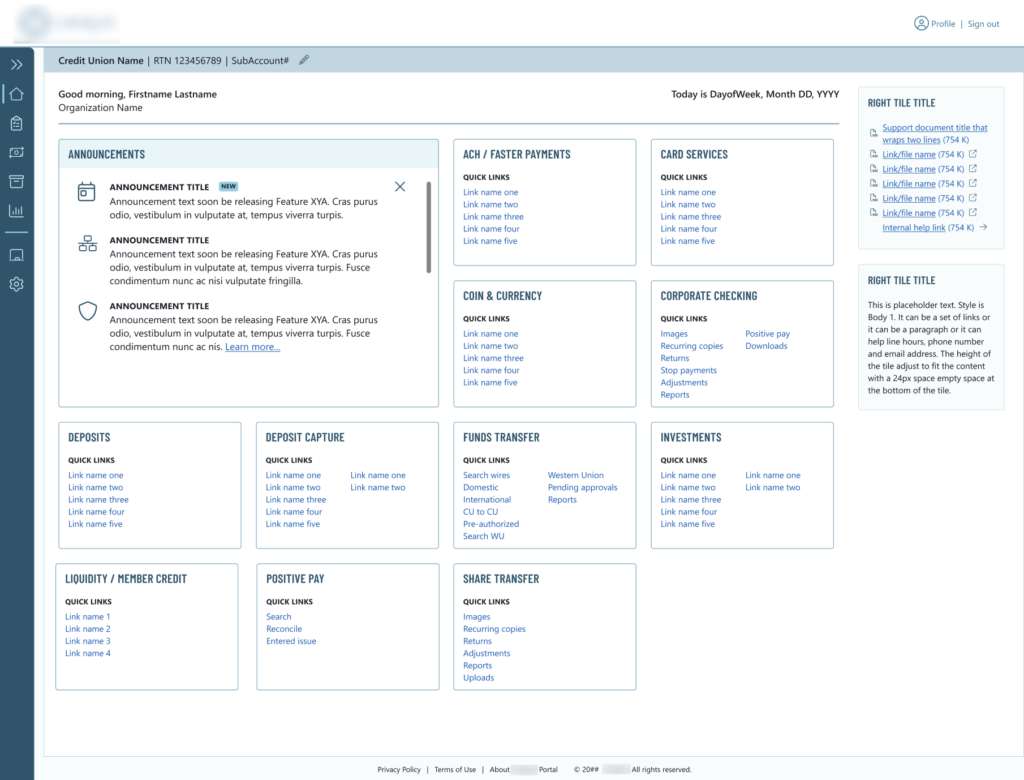
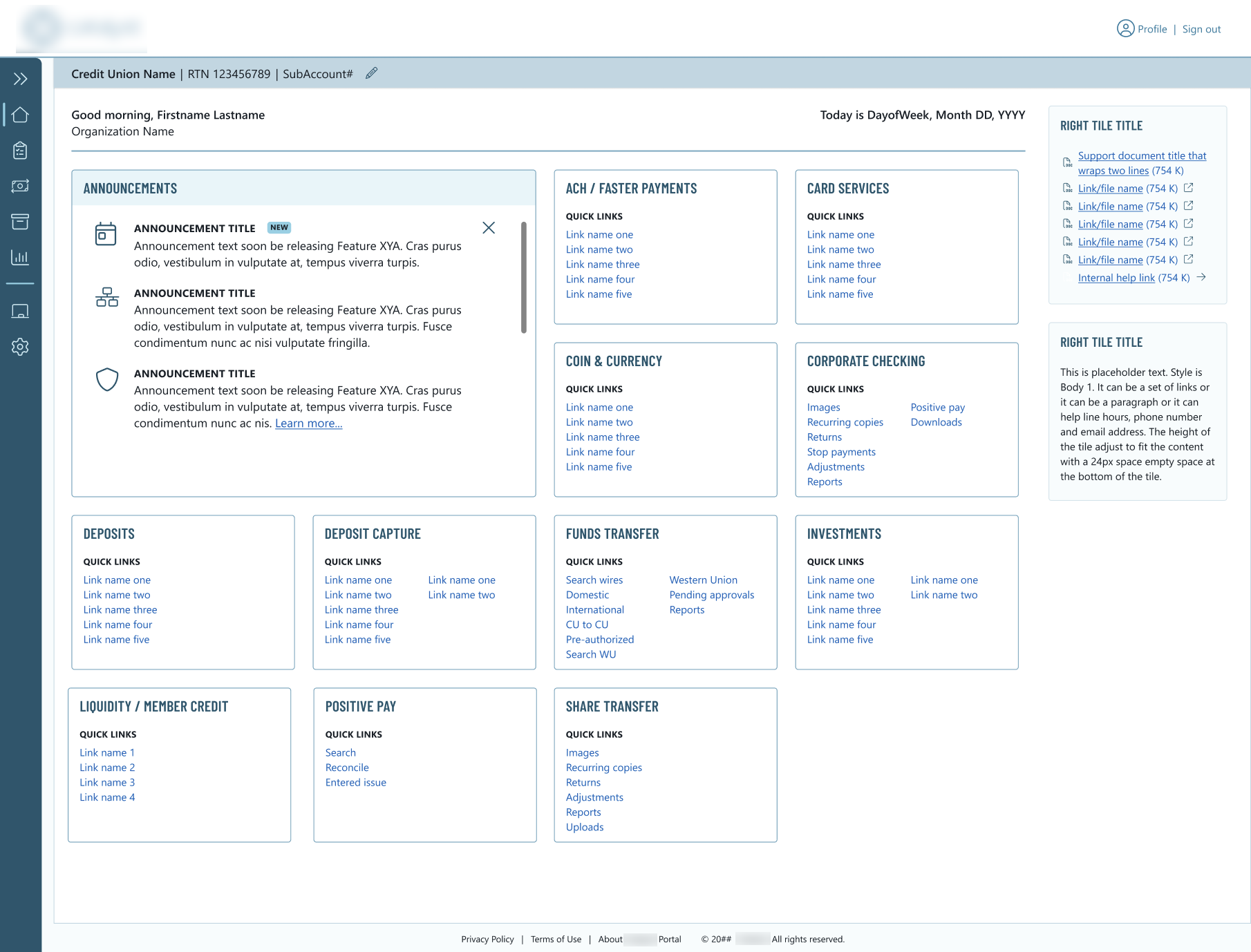
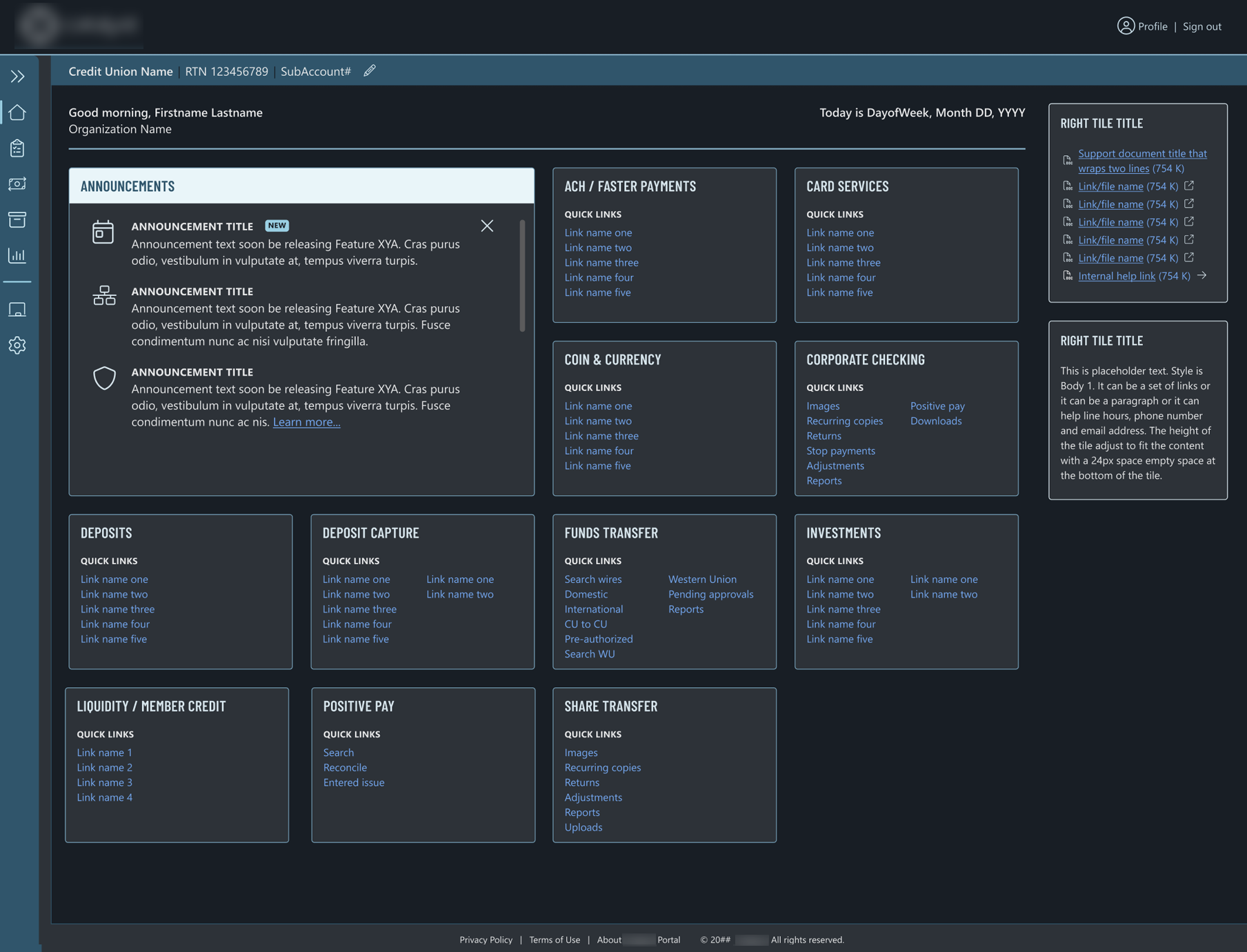
This was a large-scale UX transformation, not a surface-level refresh: tactical, screen-level design work across the existing platform, with a handful of legacy components that had to be accounted for as the new system took shape around them.

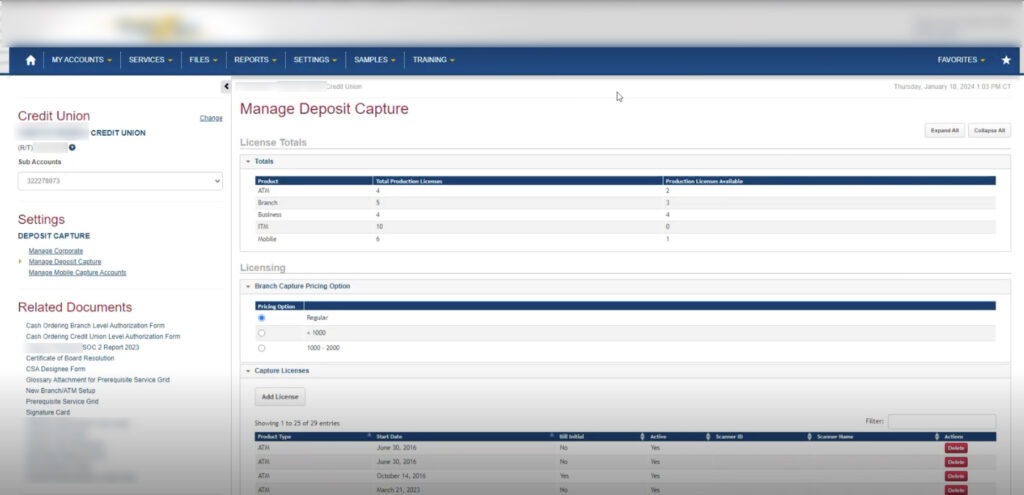
Finance Platform Modernisation: original interface before the redesign

As that work has moved into user testing, I’ve been flagging and building out the backlog that carries UX forward from here: refinement pieces, new features, and revamps of existing components aimed at improving the experience beyond what the initial redesign addressed.

Design system and component governance

The new system itself wasn’t built screen by screen. Rather than hand-designing every screen individually, the work centered on the components, rules, templates, and layout patterns the system could extrapolate from as new features got developed, the design system doing the load-bearing work, not one-off screen production.

I treated this as a living system rather than a static deliverable. As development progressed, real-world scenarios surfaced that the original component designs hadn’t accounted for, and I worked with the development team to evolve those patterns deliberately instead of letting undocumented exceptions accumulate.

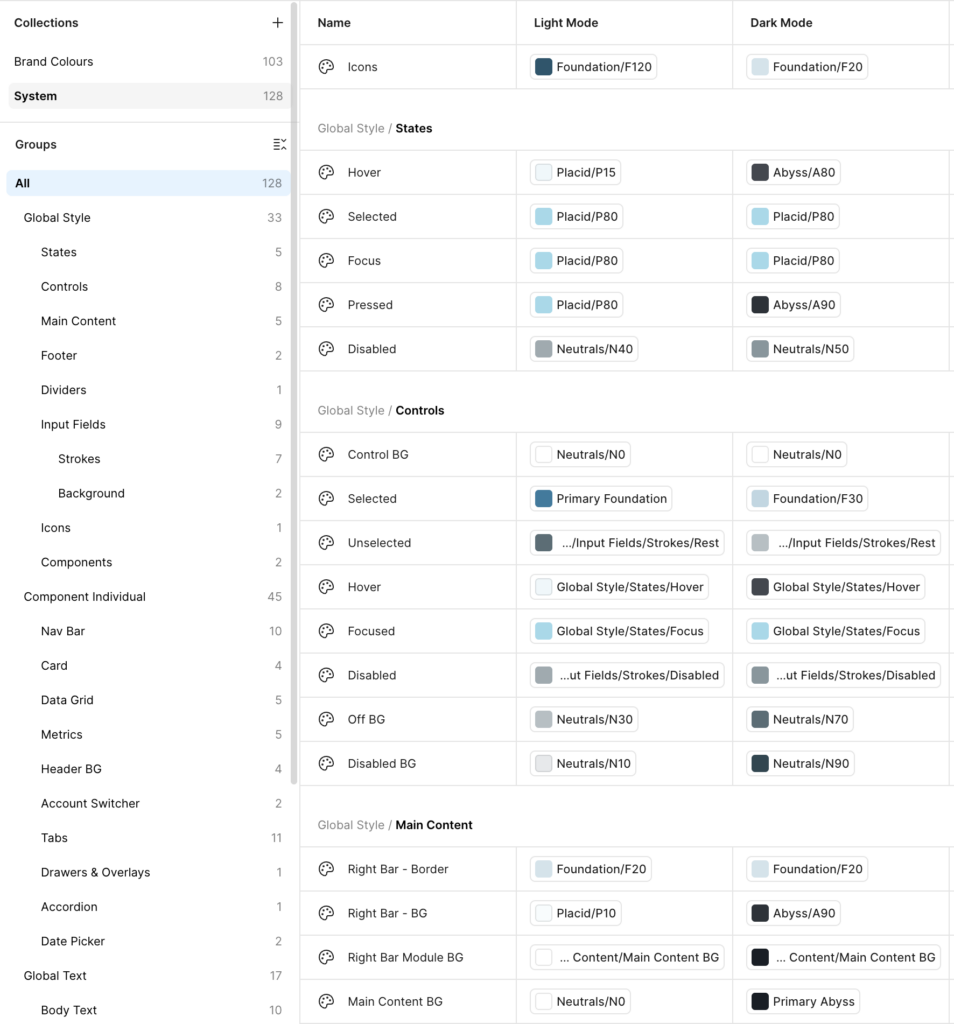
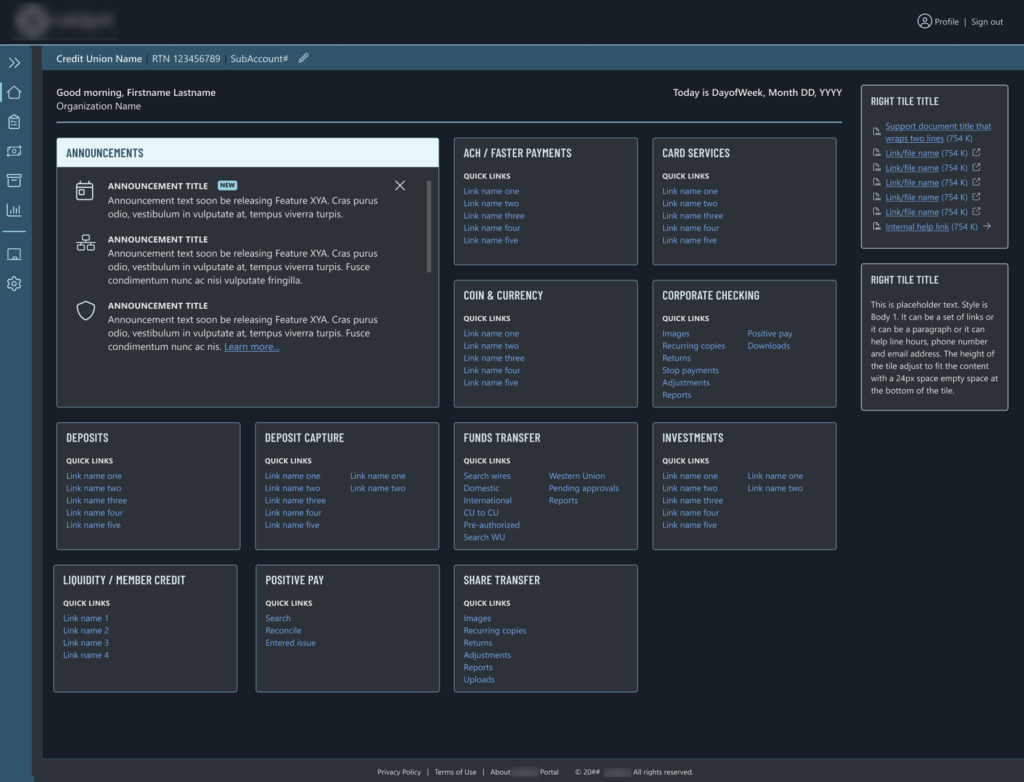
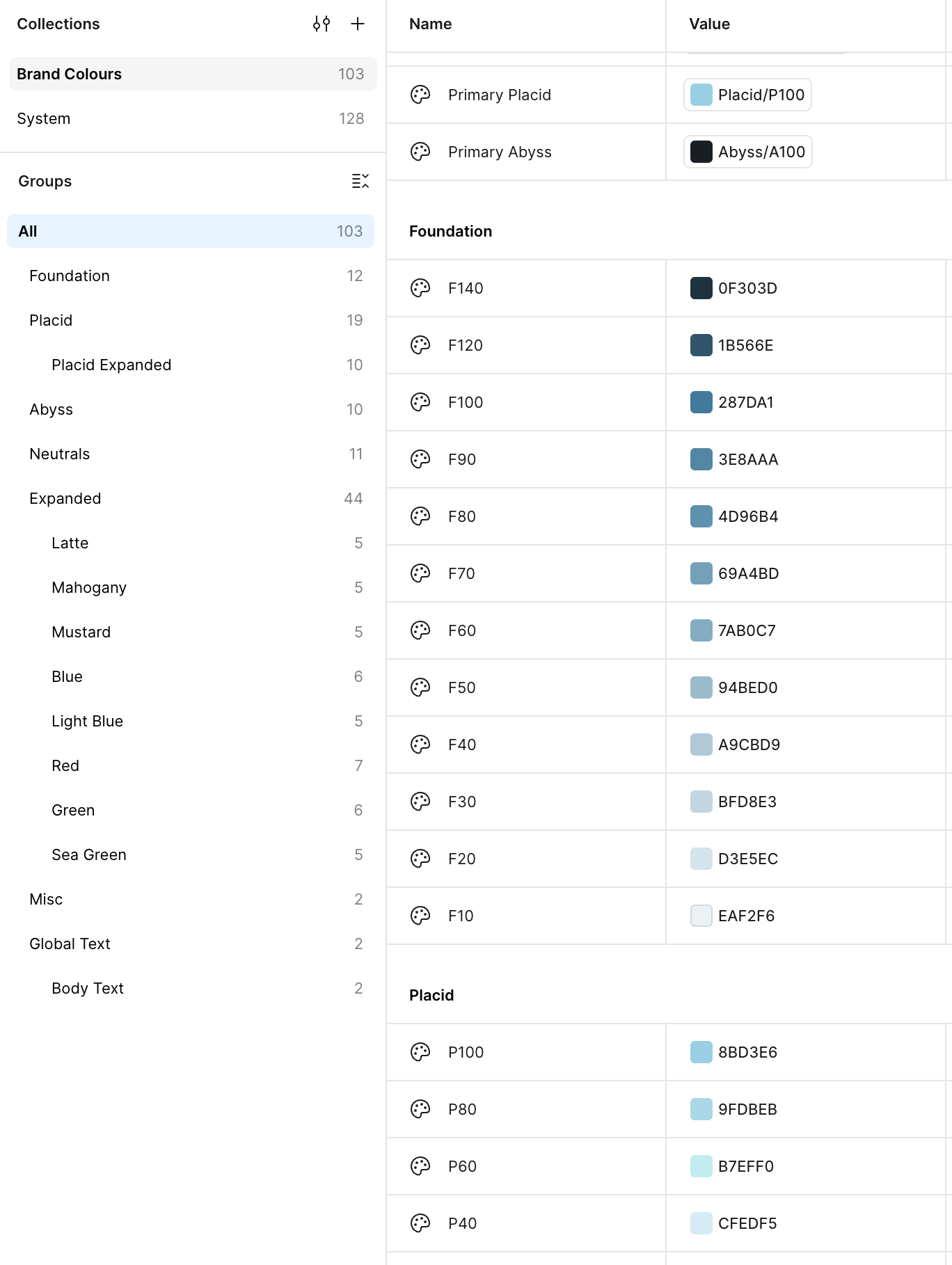
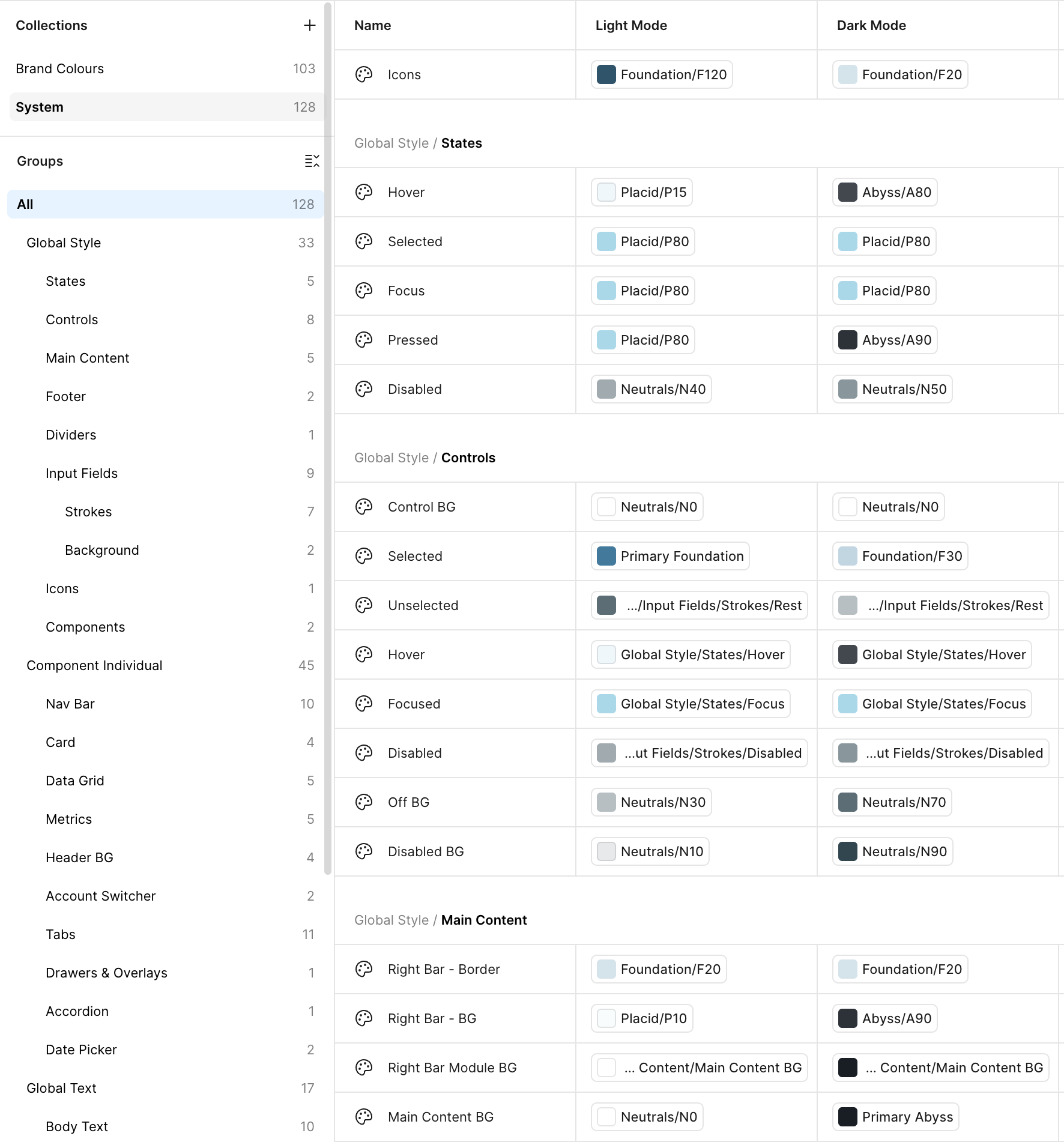
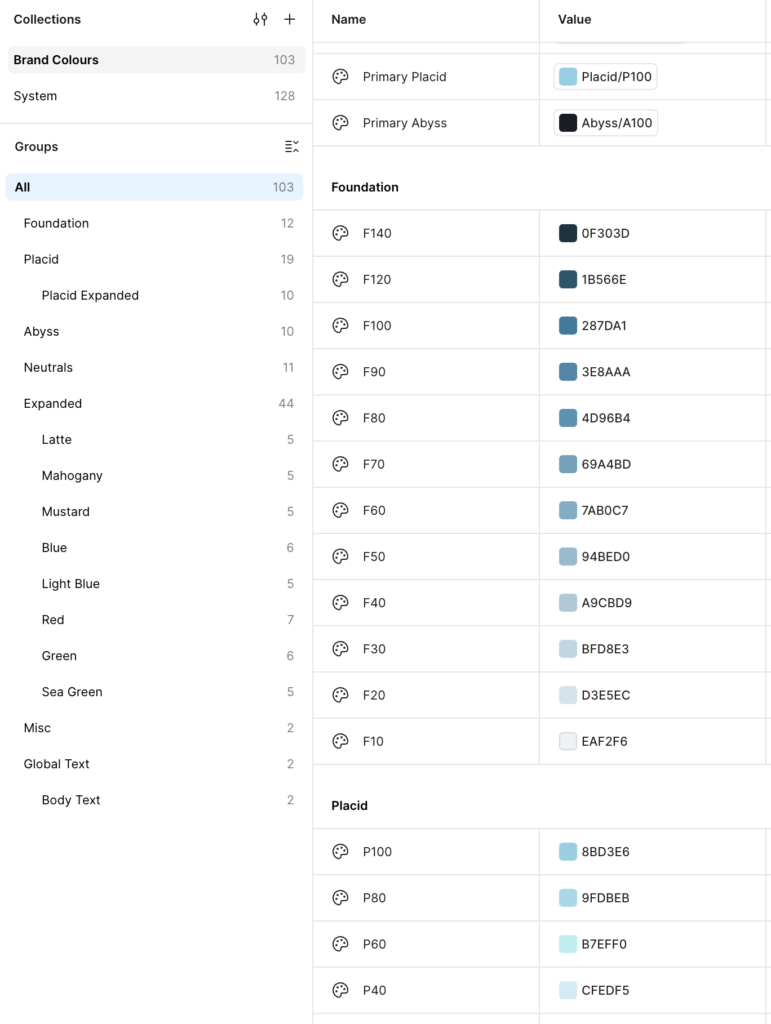
The token structure also carried the system into light and dark mode, so components inherited both themes automatically. I used Claude to verify token application and dark mode behaviour programmatically, catching inconsistencies faster than manual screen-by-screen review would have.

Building the handoff

The biggest gap in the engagement was between design delivery and implementation. Development teams were working through large volumes of UX documentation with no structured design system and no central source of truth, which meant constant clarification requests and inconsistent interpretation of the same design intent.

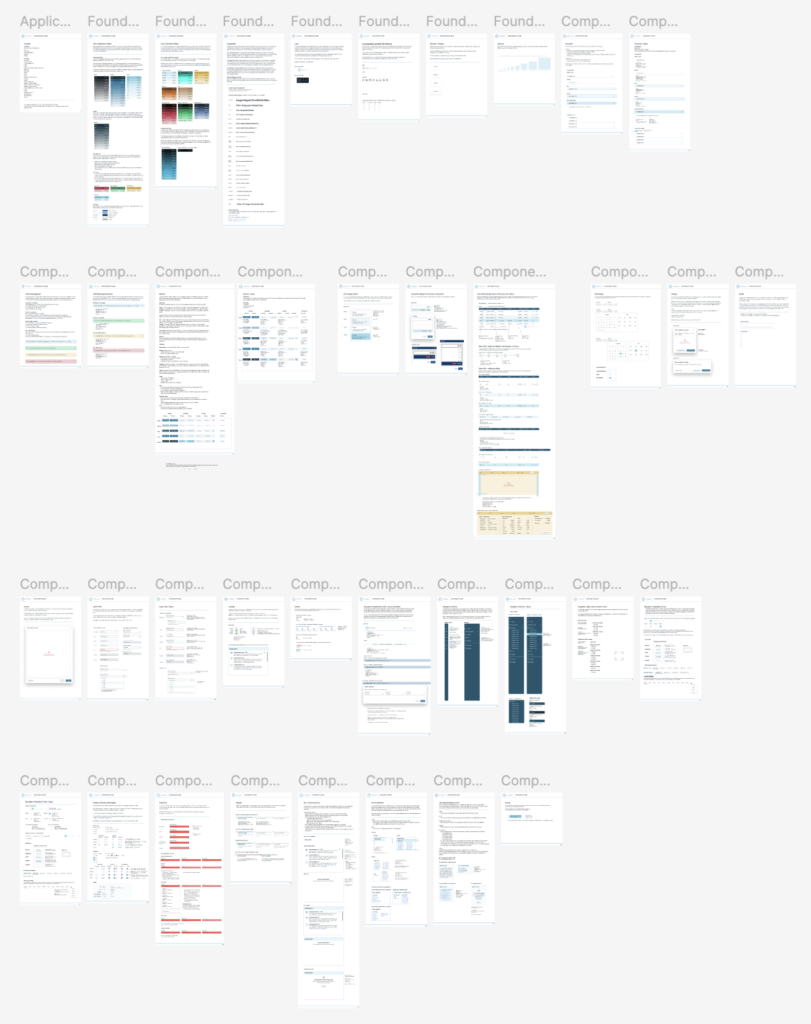
The styleguide itself became the backbone of that handoff: a robust, single source of truth developers could build against directly, not a reference document they had to interpret. I built a formal UX-to-development handoff model around it, a repeatable process focused on reducing ambiguity, improving developer self-service, and cutting the number of clarification cycles designers were fielding for routine questions. I advocated for moving the team off static documentation entirely, PDFs and disconnected specs, toward a centralized design collaboration workflow built on tools the development team could reference directly rather than routing every question back through a designer.

This became the most durable piece of the engagement. It extended the value of the UX work well past the design phase and gave the organization a governance structure it could keep using as the platform kept evolving.

Advisory support through implementation

As implementation issues surfaced, I stayed on in an advisory capacity: reviewing open UX questions, adjudicating conflicting interpretations of the same pattern, and helping the team tell the difference between design intent and implementation constraint.

Part of that advisory work involved tracing decisions back to their source. Older drafts and incomplete artifacts were sometimes being treated as production-ready, and I worked with developers to identify the authoritative version of a given pattern so implementation stayed aligned with the intended experience rather than with whatever document happened to be easiest to find.

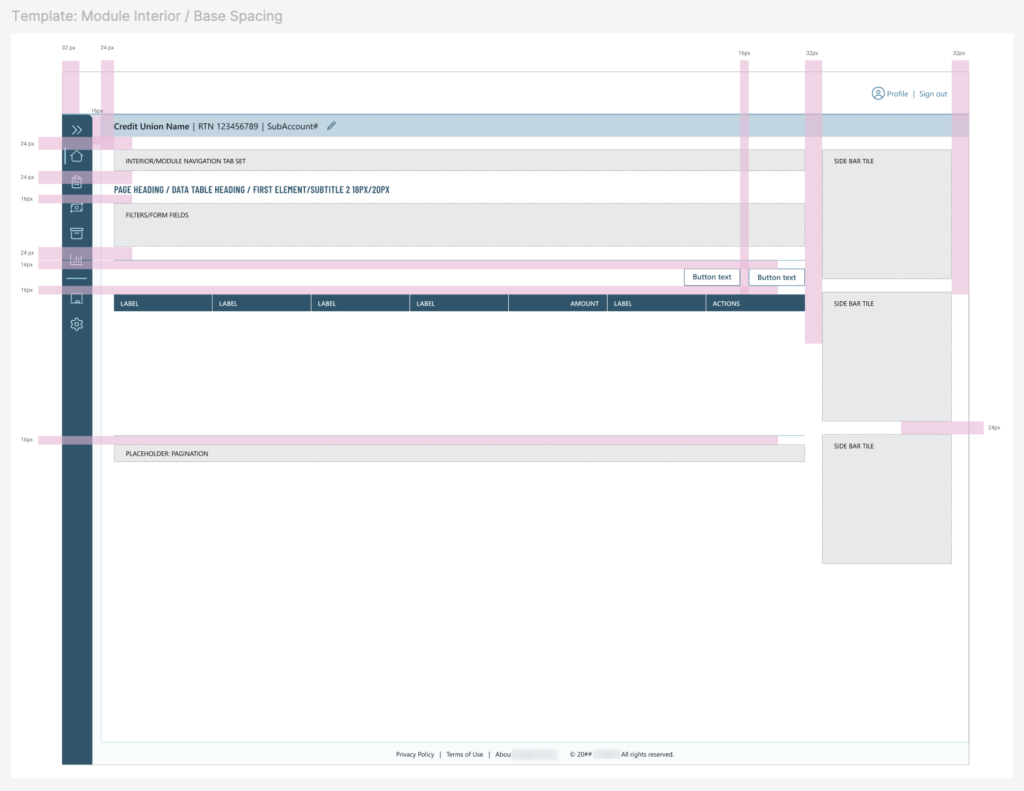
Finance Platform Modernisation: spacing system documentation
Finance Platform Modernisation: style guide documentation

Outcome

Development teams gained a documented system, 103 brand tokens and 128 system-level tokens spanning light and dark mode, plus a robust styleguide and referenceable standards for component behavior, layout, interaction patterns, typography, error states, and messaging. None of that existed in one place before this engagement. The shift to structured handoff documentation and centralized design references reduced how much the team depended on any one person’s institutional knowledge and gave developers a real path to self-service.

The work is ongoing. As the redesigned platform moves through user testing, the backlog I’ve built out is what carries UX improvement into the next phase.

More Projects

SDS Automation Platform: chemical compound classification and search interface

SDS Automation Platform

AI & Agentic Experience Design, AI-Augmented Workflow, Design Systems, Information Architecture, Process Design, Product Design, Product Strategy, UX Research, UX Strategy
UX Strategy for a Global Professional Association: membership platform interface

UX Strategy for a Global Professional Association

AI-Augmented Workflow, Design Systems, Information Architecture, Process Design, UX Research, UX Strategy
FinTech Investment Management App: client investment portal interface

FinTech Client Portal

Information Architecture, Process Design, Product Design, UX Research, UX Strategy
AI Knowledge Assistant conversational interface widget for a building products manufacturer

AI Knowledge Assistant

AI & Agentic Experience Design, Process Design, Product Design, Product Strategy, UX Research, UX Strategy
AI Knowledge Assistant
UX Strategy for a Global Professional Association